REGULATORY
Can AI Catch a Hydrogen Leak Before It's Too Late?
AI-powered sensors may soon spot hydrogen leaks in real time, boosting trust in Americas clean energy shift
24 Jan 2025
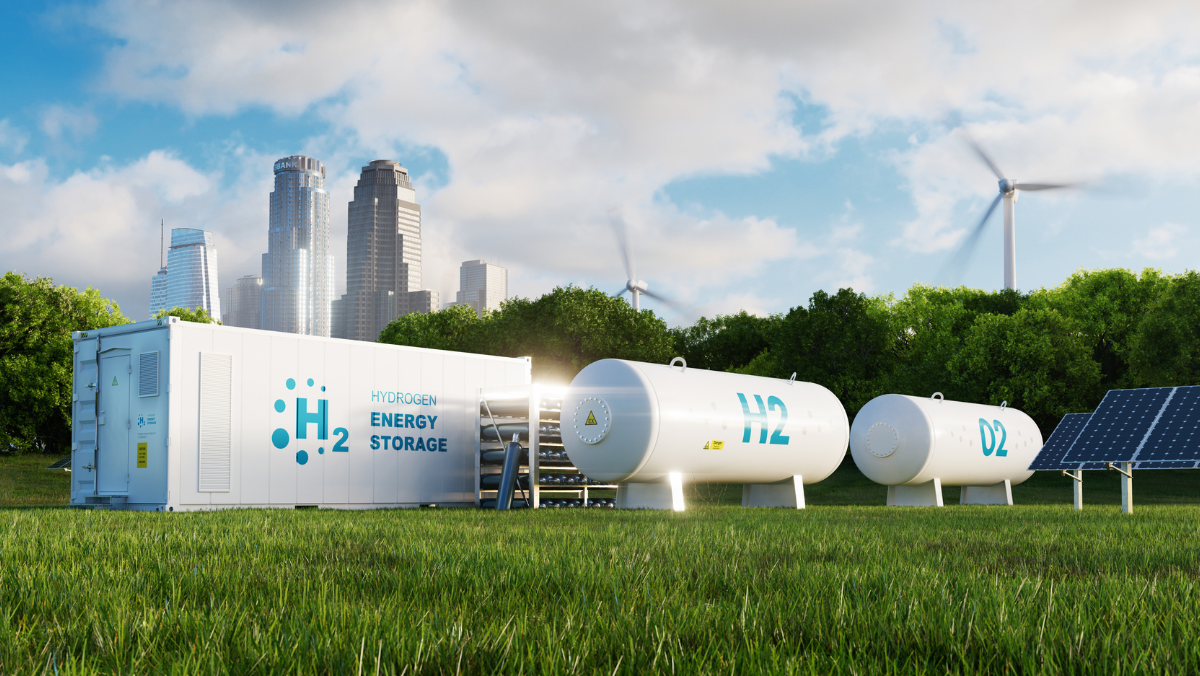
Hydrogen is central to Americas clean energy ambitions, but only if it can be moved safely. Thats where a new generation of AI-powered sensors may change everything
In January 2025, the National Energy Technology Laboratory (NETL) and its partners landed $1.7 million in federal funding to launch H2-SMART, a project aimed at making hydrogen pipelines far safer. The goal is to use artificial intelligence and fiber-optic cables to detect leaks in real time, before they spark disaster
Why the urgency? Hydrogen is odorless, colorless, and highly flammable. Traditional inspection methods often miss leaks until its too late. H2-SMARTs continuous monitoring promises a smarter, faster response
The system fits into a bigger trend reshaping energy infrastructure: digital transformation. NETLs approach is designed to work with existing pipelines, using intelligent alerts to let operators act immediately. After successful lab trials, real-world testing is expected to begin by the end of 2025
This is about building public confidence in hydrogen infrastructure, a Department of Energy spokesperson said. To scale clean hydrogen, safety must come first
Its not just NETL. In June, energy giant Baker Hughes rolled out updates to its own digital safety systems, like the Leucipa platform. This move reflects a broader shift across the sector. The tools may differ, but the mission is the same: use smarter tech to modernize safety
There are still roadblocks. Retrofitting old pipelines isnt simple, and the AI needs refining to avoid false alarms. But optimism is high. As the US pours funding into regional hydrogen hubs, tools like H2-SMART could become critical to the rollout
If it works, this tech may do more than just plug leaks. It could seal public trust in hydrogens future
SUBSCRIBE FOR UPDATES
By submitting, you agree to receive email communications from the event organizers, including upcoming promotions and discounted tickets, new, and access to related events.